Sign In
Upcoming Event
 Free Newsletter

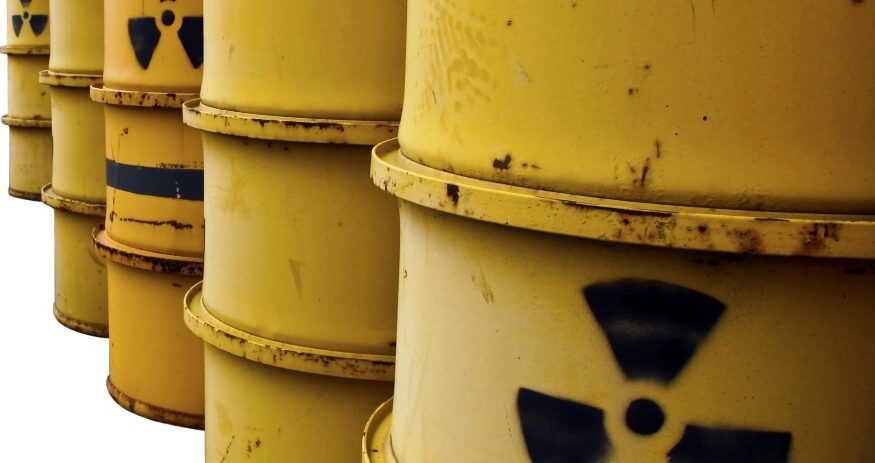
Savannah River National Laboratory has launched the Mark-18A recovery program to extract rare plutonium-244 and heavy curium at Savannah River Site. (Photo/DepositPhotos)
Savannah River National Laboratory has launched the Mark-18A recovery program to extract rare plutonium-244 and heavy curium at Savannah River Site. (Photo/DepositPhotos)
Plutonium-244 recovery efforts begin at Savannah River Site
Ross Norton // February 18, 2026//


- First Mark-18A target transferred from SRS L Basin to SRNL
- Program recovers plutonium-244 and heavy curium isotopes
- Collaboration includes DOE, NNSA and Office of Science
- Effort supports nuclear forensics, reactor startup and workforce development
Savannah River National Laboratory is taking the first steps toward recovering rare plutonium-244 and heavy curium isotopes from Cold War-era Mark-18A targets stored for decades at the Savannah River Site, marking a significant milestone for the Department of Energy and the National Nuclear Security Administration.
The first Mark-18A target was successfully transferred from the SRS L Basin to SRNL, launching operations under the multi-year Mark-18A Target Recovery Program, according to a news release from the Savannah River Lab National Laboratory. The initiative establishes a new radiochemical separation capability at SRNL designed to extract valuable isotopes from legacy nuclear materials once slated for disposal.
The program is a collaboration among the DOE’s National Nuclear Security Administration, Office of Environmental Management and Office of Science. Officials said it demonstrates how environmental cleanup efforts and national security missions can align to convert historical nuclear materials into strategic national assets.
“The Mark-18A Target Recovery Program is a monumental step forward in advancing our nation’s nuclear capabilities,” SRNL Director Johney Green said in a news release. “Recovering rare isotopes not only strengthens U.S. nuclear nonproliferation efforts and critical scientific research but also exemplifies the transformative power of innovation. By turning legacy nuclear materials into indispensable resources, this program showcases the vital role SRNL plays in supporting national security, fostering technological leadership, and preparing the next generation of scientists and engineers to tackle the challenges of tomorrow.”
The Mark-18A targets contain significant quantities of heavy curium as well as the world’s only supply of unseparated plutonium-244, the release stated. Plutonium-244 is an extremely rare isotope used in nuclear forensics. The heavy curium recovered through the process will later be converted into californium-252, which is used as a startup source for nuclear reactors and in other applications.
The project aligns with federal efforts to strengthen the domestic nuclear fuel cycle and expand the nuclear energy workforce. Officials said the startup also reestablishes radiochemical processing capabilities that had not been active since the Cold War.
“EM’s role in this endeavor goes beyond safe storage; it’s about proactive stewardship and unlocking the inherent value within our legacy materials,” Edwin Deshong, manager of the Savannah River Operations Office, said in the NNSA news release.
Chris Armstrong, program manager for the Mark-18A Program, said the launch follows years of development involving dozens of scientists, engineers and technical staff. The radiochemical recovery process was largely designed, constructed and programmed at Savannah River Site.
In addition to producing high-value isotopes for federal missions, the initiative provides hands-on training opportunities for scientists and engineers, strengthening expertise in radiochemical system design, construction and operation, the release said.
Savannah River National Laboratory is a federally funded research and development center managed and operated by Battelle Savannah River Alliance for the DOE’s Office of Environmental Management.
i