Sign In
Upcoming Event
 Free Newsletter

Holly Grove added to Caw Caw, protected from development
Jason Thomas // May 7, 2025//


- 35-acre Holly Grove property permanently protected in Ravenel
- Expansion adds 2,300 feet of waterway and 850 feet of highway frontage
- Potential for paddlecraft launch and East Coast Greenway realignment
- $2.2 million project funded by Charleston County’s Greenbelt Program
A chunk of ecologically rich property has been added to a Lowcountry interpretive center and will be permanently protected against development.
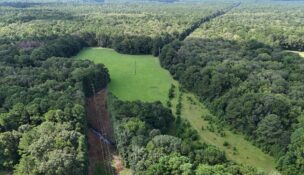
Lowcountry Land Trust has revealed the permanent protection of the 35-acre Holly Grove property — which will serve as an official addition to the Caw Caw Interpretive Center in Ravenel, according to a news release.
This strategic acquisition in collaboration with the Charleston County Park and Recreation Commission significantly expands public access to nature, enhances water quality protection, and ensures the long-term conservation of vital habitats in one of Charleston County’s most ecologically and recreationally valuable public spaces, the release stated.
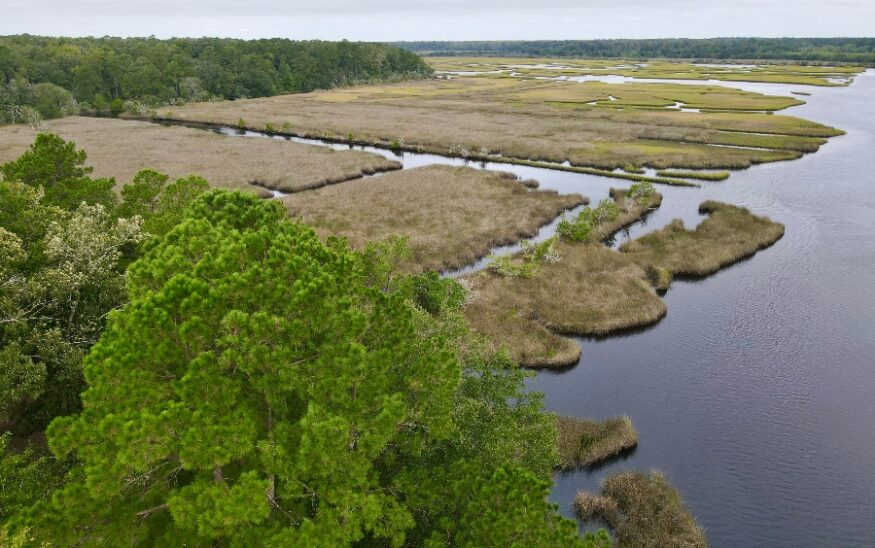
The addition of Holly Grove to the Caw Caw Interpretive Center enhances the park’s highly visible and ecologically rich landscape, boasting approximately 2,300 feet of waterway frontage along Tea Farm Creek and the Wallace River, and about 850 feet of scenic frontage along U.S. 17 South (Savannah Highway), the release stated. The land is a vital natural buffer, enhancing wildlife habitats, protecting water quality, and preserving stunning views both from the water and the highway.
In the future, it could also serve as a place for a paddlecraft launch at all tides, offering a new opportunity for water-based exploration, the release stated. Bordering the 3,000-mile East Coast Greenway route, the Caw Caw addition also opens the door for a future movement of the trail off the highway and onto more protected terrain, improving safety and the visitor experience for cyclists, runners, and walkers alike.
“Caw Caw is one of the Lowcountry’s ecological gems, and we’re thrilled to partner with CCPRC to help expand and protect it,” said David Ray, chief conservation officer at Lowcountry Land Trust, in the release. “This addition increases recreational access, enhances habitat protection, and ensures the long-term stewardship of a place that reflects the very best of the Lowcountry’s natural heritage.”
RELATED: Fairfield Plantation adds 254 acres to protected land in Charleston County
RELATED: Sea island off Isle of Palms donated to Lowcountry nonprofit
Previously at risk of development, the Caw Caw addition was purchased by Lowcountry Land Trust, then transferred to the Charleston County Park and Recreation Commission, according to the release. The Land Trust now holds and will monitor a conservation easement in perpetuity, partnering with CCPRC to safeguard the land’s natural value and public benefit for current and future generations.
“The expansion of Caw Caw through the addition of the Holly Grove property is a great example of what strong partnerships can achieve,” said Kevin Bowie, executive director of CCPRC, the release. “We’re grateful to the Lowcountry Land Trust, Charleston County Council, and the County’s Greenbelt Program. By working together, we’re able to expand public access to this remarkable property. We look forward to creating even more trails, water access points, and recreational opportunities at Caw Caw in the years ahead.”
The $2.2 million project was made possible through public funding: $2.09 million from Charleston County’s Greenbelt Program and an additional $110,000 provided by CCPRC, according to the release. The collaborative effort reflects a shared commitment to balancing growth with permanent protection of the region’s most treasured natural areas.
“Charleston County is fortunate to have iconic, publicly accessible green spaces, and Caw Caw stands out as one of the finest,” said Charleston County Council member Joe Boykin in the release. “Expanding and protecting places like this through our Greenbelt Program isn’t just smart land use — it’s a lasting investment in quality of life.”
n