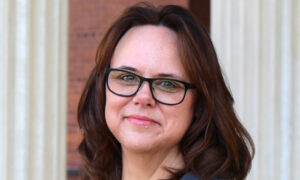
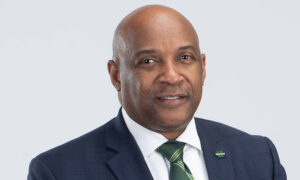
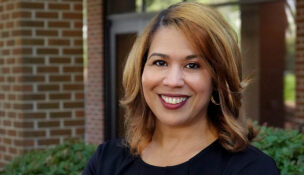
President and CEO
South Carolina Independent Colleges and Universities
How do you feel South Carolina colleges and universities are preparing students to meet the state’s future workforce needs?
South Carolina is taking a well-rounded and forward-thinking approach to preparing students for tomorrow’s jobs. The goal is clear: by 2030, the state wants 60% of working-age residents to have either a college degree or a recognized industry credential. Colleges and universities are stepping up to meet this goal — especially by expanding programs in fast-growing areas like science, technology, engineering, and math.
Private colleges and universities, which SCICU represents, are a key part of this effort. They are known for offering a more flexible and personalized learning experience and are quick to adapt to changing workforce needs. Many of them focus on high-demand fields like healthcare, business, education, and technology. While they may be smaller than public institutions, their agility helps them stay ahead of workforce trends and make sure their students are ready for what is next.
How is your institution preparing for the looming drop in traditional college-age students and the so-called “enrollment cliff?”
South Carolina is not facing the full impact of the “demographic cliff” just yet, but the state is getting ready. That cliff refers to the steady drop in the number of college-aged students, mostly because birth rates started falling around 2007. Fewer high school graduates means fewer potential college applicants, and this trend is expected to continue through the 2030s.
Thanks to a growing population and people moving into the state, college enrollment in South Carolina has held steady, especially at large universities, which have seen record application numbers. But some smaller colleges and universities are starting to feel the squeeze.
Private institutions have not waited around — they have adapted quickly. While they still champion a strong liberal arts foundation, they are also investing heavily in career-focused education in fields that are in demand. Many have added online programs to attract students outside the traditional college path. And by recruiting South Carolina students who might have gone out-of-state, they are helping keep future graduates—and talent—right here at home.
What can be done to counteract government funding cuts and reduced federal research grants?
Cuts to government funding and federal research grants are putting real pressure on higher education, especially research-focused institutions. There’s no one-size-fits-all fix, so colleges and universities are getting creative with how they manage their resources. Many are looking at their endowments to see if those funds can be used more flexibly to support research and day-to-day operations. They are also exploring new funding streams — like private donations, business partnerships, state and local grants, and even working with international collaborators.
To make the most of limited resources, schools may need to focus on research that makes the biggest difference to society — think public health and STEM fields. Some universities are taking legal action against federal funding freezes, while others are working to raise awareness in their communities about why research matters and what is at stake.
The financial squeeze has led to hiring pauses and budget cuts in non-essential areas to protect academic programs. In South Carolina, groups like SCICU are actively working to influence policy and defend research funding. It is a challenging time — but higher education is rising to the moment by being resourceful, resilient, and determined to keep innovation alive.
What is your institution’s strategy in addressing the increased integration of artificial intelligence and automation and the expansion of online and hybrid learning models?
Artificial Intelligence, or AI, is already part of everyday life, powering everything from virtual assistants to self-driving cars. Private colleges and universities in South Carolina are jumping into this space with purpose. Take Anderson University, for example — they offer a cybersecurity major that instructs students not just the technical side, but also the legal and management aspects of protecting digital information. They even have an MBA program with a focus on AI, where students learn how to use data to uncover business trends and make smarter decisions.
Colleges are also leaning into online learning to give students more choices, especially those who do not follow the traditional college path. A lot of that growth comes from better technology, faster internet, and the lessons learned during the pandemic when everyone had to pivot to remote learning. Now, schools are experimenting with all kinds of course formats to reach more students and make sure instruction stays top-notch.
What is something people might be surprised to know about you?
People tend to see the title “SCICU President and CEO” and imagine someone firmly rooted behind a desk, but my journey’s been anything but conventional. I have built my own computers out of curiosity and a love for understanding systems at their core. In high school I became a ham radio operator to explore how we connect across distances long before Zoom existed. I have lived and worked in a country during a civil war, which shaped my view of education — not just as a pathway to economic opportunity, but also to develop informed and engaged citizens. Speaking Spanish and Portuguese has helped me bridge cultures, and photography reminds me to slow down and see the world’s details with intention. All these experiences shape how I lead — with curiosity, creativity, and a wide-angle view of what matters.

 Sign In
 Free Newsletter