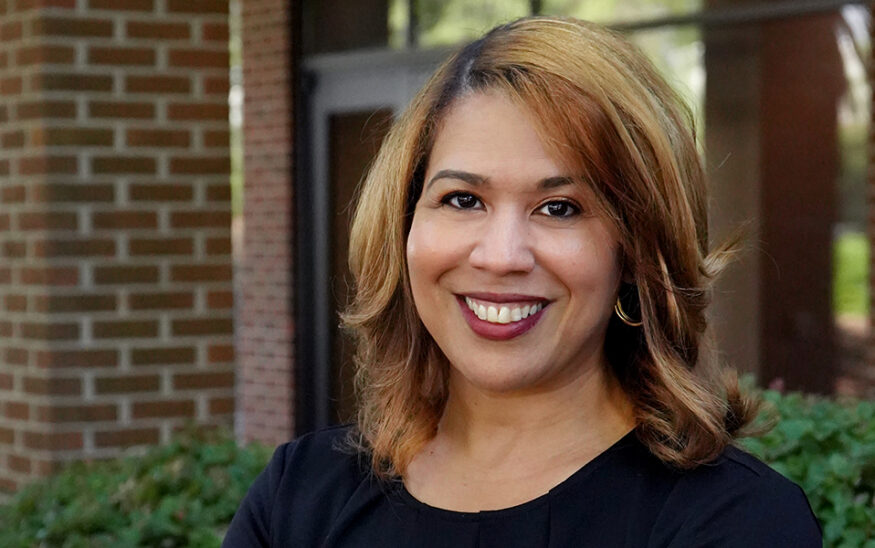
Associate Vice President of Academic and Workforce Development
Orangeburg-Calhoun Technical College
How do you feel South Carolina colleges and universities are preparing students to meet the state’s future workforce needs?
South Carolina’s colleges are becoming more responsive to workforce needs by emphasizing industry-driven training, credential attainment, and career readiness. Orangeburg-Calhoun Technical College is a strong example of this approach. We work closely with local employers to design programs that address talent gaps in advanced manufacturing, health care, information technology, and skilled trades. Through our Workforce Development System, we offer customized training for prospective, new, and incumbent workers, ensuring our students are prepared for immediate employment and long-term career growth. We’re also developing clear articulation agreements that allow students to transition from short-term training into credit-bearing programs that lead to degrees and higher wages.
How is your institution preparing for the looming drop in traditional college-age students and the so-called “enrollment cliff?”
OCtech is proactively responding to the enrollment cliff by broadening our recruitment efforts beyond the traditional high school pipeline. We’re expanding access for adult learners through flexible course formats, accelerated pathways, and high-demand non-credit programs that lead directly to employment. Our dual enrollment partnerships with area high schools continue to grow, introducing students to college-level work and career opportunities early. In addition, we’re increasing the number of stackable credentials and building seamless transitions from continuing education to academic programs, creating more on-ramps for students at every stage of life.
What can be done to counteract government funding cuts and reduced federal research grants?
To navigate funding challenges, OCtech is focused on diversifying revenue and maximizing value for students and stakeholders. We’re expanding contract training for local businesses, strengthening employer partnerships, and pursuing competitive state and federal grants that support workforce development and economic mobility. By demonstrating clear outcomes — such as job placement, wage gains, and student success — we aim to make a compelling case for continued investment in technical education.
What is your institution’s strategy in addressing the increased integration of artificial intelligence and automation and the expansion of online and hybrid learning models?
OCtech is embracing artificial intelligence and automation as both instructional tools and core components of our program offerings. We are integrating AI concepts into our curriculum and exploring opportunities to prepare students for jobs that require fluency with emerging technologies. On the delivery side, we’ve expanded our hybrid and online learning models to provide more flexibility for working adults and non-traditional students. At the same time, we continue to prioritize wraparound support—academic coaching, career services, and digital literacy — to ensure all students can succeed regardless of how they access learning.
What is something people might be surprised to know about you?
Something people might be surprised to know about me is how passionate I am about professional sports. Whether it’s football, basketball, or baseball, I enjoy following the games, keeping up with stats, and competing in fantasy leagues.

 Sign In
 Free Newsletter