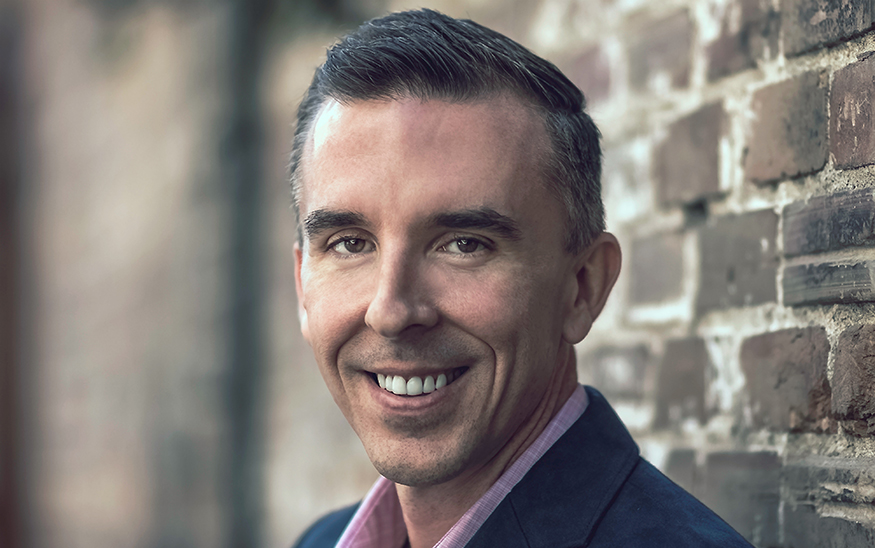
Chief Operating Officer & Co-Founder
Catch Talent
What can South Carolina do to foster an adaptable workforce that is more resilient to factors like a pandemic?
By making investments in training, flexible work structures, employee wellness, and education partnerships, businesses can ensure that their workforce isn’t just reacting to the next disruption — they’re ready to thrive through it. In addition, South Carolina should continue to diversify its economy beyond tourism and manufacturing, as this flexibility and adaptability will foster a fertile environment for the technology, biotech, renewable energy, and cybersecurity industries.
How has skill-based hiring versus educational background made an impact in South Carolina?
South Carolina is making real strides toward skill-first hiring, especially through legislation, credentialing programs, and rethinking education-to-career pathways. While the transition from degree-centric hiring isn’t complete, these efforts – combined with employer openness to skills – are making the workforce more inclusive and resilient. For example, in early 2025, the Coordinating Council for Workforce Development launched FindYourFuture.sc.gov which offers a “Future Finder” tool that translates a person’s existing experience and education into identified skills.
What is the key to upskilling South Carolina’s workforce?
The key to upscaling our workforce is accessible, employer-aligned training opportunities that make lifelong learning practical for every worker in South Carolina. The state’s existing programs, like readySC, Apprenticeship Carolina, Professional Skills Credential, show the model works – it just needs to be scaled and deeply integrated into both industry and education. In addition, companies should continue to look within their current employee base for individuals who have shown continued value and commitment to the organization, and want to either move into leadership roles or new competencies/departments.
How has technology like people analytics and AI integration changed the hiring game?
People analytics and AI have shifted hiring from reactive to predictive, as employers are no longer just filling seats: They use data and AI to forecast needs, identify talent, and shape workforce strategy. On the flip-side, because candidates are increasingly using AI to customize resumes for each job for which they apply, and employers are using AI to pre-screen employees, the companies that lean heavily into in-person/live screening and interviewing will ultimately end up attracting the best talent.
How do you strategize between a remote, hybrid and work-from-office-only approach to the workplace?
Companies should be intentional with their onsite policies, and align their workplace strategy with business goals, employee expectations, and resilience planning. It’s not one-size-fits-all: Digital-first companies are more suited towards a fully remote workforce, and other industries require an office-only policy when presence is essential. For most companies, a hybrid workforce has become the default model, but no matter what a company chooses, it should be intentional.
What is something someone might be surprised to know about you?
Despite being in my 50s, I still keep my skateboard and gear in my car, and often hit the skatepark during lunch breaks or after work. I can directly attribute a lot of my positive characteristics to skating at a competitive level when I was younger, including self discipline, learning from failure, creativity, and camaraderie. Even though I’m often the oldest person at the park, I enjoy being a mentor to younger skaters who more often than not lack an adult in their life who supports their sport.

 Sign In
 Free Newsletter