Sign In
Upcoming Event
 Free Newsletter

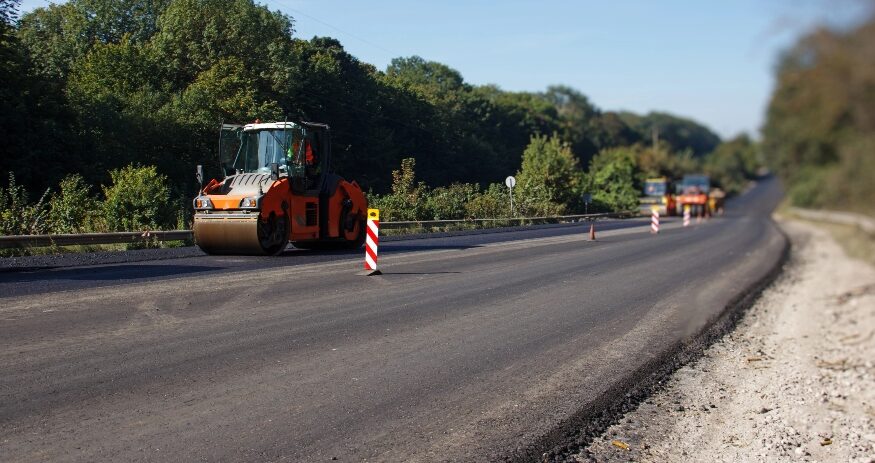
Infrastructure investments, such as maintaining good roads, are essential to South Carolina’s economic growth, payoff off at $170 for every $100 invested, according to the report. (Photo/DepositPhotos)
Infrastructure investments, such as maintaining good roads, are essential to South Carolina’s economic growth, payoff off at $170 for every $100 invested, according to the report. (Photo/DepositPhotos)
South Carolina infrastructure investments drive economic growth
Ross Norton // August 27, 2026//


- Infrastructure investments are expected to generate nearly 140,000 permanent jobs statewide over the next decade.
- Construction-related infrastructure activity through FY 2028 is projected to generate $66.7 billion in statewide economic input.
- Every $100 in direct infrastructure spending is associated with about $170 in total economic output.
- Transportation, broadband, water and wastewater and resilience projects are supporting South Carolina’s continued growth.
Talk about how to grow economic development and the topics that come up most often are investment, tax incentives and the need for an effective workforce.
All of those are important, but the truth is no development — especially the monumental growth that has emerged in South Carolina in recent years — can take place without the building blocks of everyday life: driveable roads, functioning utilities, clean running water, and in this high-tech age, ready access to the internet.
Namely, infrastructure.
The role of infrastructure in South Carolina’s continued economic growth is the core focus of a report, “The Economic Impact of Infrastructure Investments in South Carolina,” released Aug. 18 by South Carolina’s Infrastructure Works Institute, a 501(c)(3) non-profit organization formed by the American Council of Engineering Companies of South Carolina. The group focuses on studying and reporting on the economic impact of infrastructure investments across the state.
The numbers tell the story: infrastructure is one of the key drivers in the state’s ongoing growth.
The study indicates that infrastructure investments will produce nearly 140,000 permanent jobs statewide over the next decade. Construction-related activities slated to run between now and FY 2028 are expected to generate $66.7 billion in statewide economic input.
The organization’s inaugural report done in 2025 was the first comprehensive, data-driven assessment of how infrastructure investments strengthen the state’s economy. With this new report, stakeholders get a direct update and expansion of that initial research, including new data sources and updated economic analysis.
This year’s report expanded on previous studies to incorporate data from the South Carolina Department of Environmental Studies (SCDES), the South Carolina Rural Infrastructure Authority (SCRIA), the state’s Office of Resilience and local transportation penny sales tax programs, including county and municipal efforts in Charleston and Dorchester counties.
Investment projects included in the study include transportation, drinking and wastewater, broadband expansion and disaster resilience.
The study was conducted by Joseph Von Nessen and Douglas Woodward, leading regional economists of the Division of Research at the University of South Carolina‘s Darla Moore School of Business.
“When we look at the different ways that we see infrastructure making a difference across all 46 counties in South Carolina, the bottom line is very clear — infrastructure represents a primary foundation for all economic growth in the state,” Von Nessen said.
The report showcases the economic impact infrastructure projects can have on the state, including economic activity generated during construction as well as long-term impacts. Findings indicate infrastructure offers an overall economic multiplier of about 1.7, meaning every $100 in direct spending is associated with about $170 in total economic output.
All those highway projects and expansion of broadband internet, as well as other investments, also mean good things for the state’s workforce.
About 38,056 jobs are supported annually by infrastructure projects, and those projects are expected to generate and support 140,000 new jobs between now and FY 2028. Infrastructure also has the potential to generate $15.1 billion in new permanent labor income statewide over the next decade, and the study indicates that infrastructure-supported jobs offer annual wages about 15% more than the statewide average.
It’s also more important than ever to focus on infrastructure as the state’s population continues to climb, Von Nessen said. South Carolina, with a current population of about 5.5 million, is currently ranked first in the nation for population growth, part of an ongoing trend in the region, with some studies indicating an additional 10.2 million people moving to the U.S. South Atlantic region by 2050.
The rapid influx of new residents as well as a boom in new investment has also propelled the state to rank third in the U.S. for overall economic growth and fourth in employment growth.
“In order for us to maintain the economic momentum that we have seen in recent years, investing in, maintaining and upgrading our infrastructure is going to become increasingly critical to maintain that competitive advantage,” Von Nessen said.
All those people moving here are looking for a good quality of life as well as economic opportunity, and the report stresses the importance of transportation infrastructure in reducing travel times, strengthening freight movement, improving connectivity between communities, and expanding access to jobs, healthcare and other amenities.
“For South Carolina, when you think about our strength economically and what we’ve been able to do in the past decades — recruiting companies like Boeing, BMW, Michelin — that wouldn’t have been possible without investment in infrastructure,” said Justin Powell, director of the state’s Department of Transportation. “I think this study really does confirm what we all know — investments in infrastructure drive growth and growth drives economic opportunity for all South Carolinians.”
Powell cited data from the report that indicated that just in the area of transportation alone, investment in infrastructure has developed an estimated 32,000 direct and indirect employment opportunities statewide.
Investment in infrastructure can be particularly important to the state’s rural communities, said Bonnie Ammons, director of the Rural Infrastructure Authority.
“Infrastructure is especially important in rural communities working to remain competitive,” Emmons said. “Many of these communities are experiencing population loss, have aging systems and often have limited resources, so infrastructure investments put them in a position to succeed, and the payoff goes beyond attracting the next project for economic development — it protects both existing residents and businesses, improves quality of life and gives communities a stronger foundation for the future.”
Interested in reading the full report? It’s available here (pdf).
t